
Revolutionizing Drywall Finishing: The Impact of Automatic Taping Tools on Speed and Efficiency
Revolutionizing Drywall Finishing: The Impact of Automatic Taping Tools on Speed and Efficiency
DRYWALL TAPING TOOLSDRYWALL CEILINGSTAPING DRYWALL DIY
11/26/20254 min read
Understanding Automatic Drywall Taping Tools
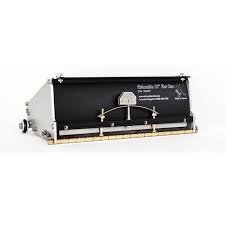
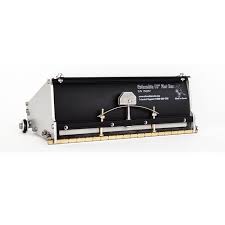
Automatic drywall taping tools represent a significant advancement in the field of drywall finishing, transforming the way professionals approach this task. These innovative tools are designed to automate the tape and joint compound application process, enhancing both speed and efficiency in drywall installation projects.
At their core, automatic taping tools can be categorized primarily into three types: automatic tapers, banjo tools, and corner applicators. Automatic tapers, commonly known as automatic taping machines, utilize a specially designed mechanism that feeds tape and joint compound directly onto the seam. This feature reduces the need for multiple steps associated with traditional taping methods, allowing for a smoother finish in considerably less time.
Banjo tools, another popular option, combine a tape dispenser and mud applicator into one compact tool. They are particularly noted for their maneuverability, allowing professionals to tackle large areas quickly. Corner applicators specialize in the precise application of joint compound to interior corners, ensuring a clean and sharp finish that is crucial for a professional-grade look. This level of precision is challenging to achieve through manual methods, thereby further emphasizing the benefits of using automatic tools.
The advantages of utilizing automatic drywall taping tools over conventional manual techniques are substantial. One of the primary benefits is the significant reduction in labor time, enabling contractors to complete jobs faster while maintaining high standards of quality. Additionally, these tools are designed with features that promote ergonomic operation, minimizing strain on the user and potentially reducing the risk of repetitive motion injuries.
Moreover, the consistent application of joint compound by these tools eliminates common errors associated with manual taping, such as insufficient coverage or uneven seams. This consistency is vital for achieving a superior finish, which can contribute to overall project success and client satisfaction.
How Automatic Taping Tools Enhance Speed and Efficiency
Automatic taping tools have revolutionized the drywall finishing process by significantly enhancing both speed and efficiency for contractors and DIY enthusiasts. One of the primary advantages of these tools is the substantial reduction in tape application time. Traditional methods often require multiple manual passes to achieve a satisfactory finish, resulting in labor-intensive and time-consuming efforts. In contrast, automatic tools streamline this process, allowing users to apply tape and compound in a single motion, thus drastically cutting down on project duration.
Moreover, with automatic taping tools, labor costs are minimized. The efficiency of these tools enables contractors to complete jobs faster, which not only translates to increased productivity but also allows them to take on more projects within a given time frame. For instance, a contractor who traditionally spent ten hours on finishing a drywall project may find that with automatic tools, this time is reduced by up to 50%. This efficiency gains not only benefit the contractor financially but also enhance customer satisfaction through quicker turnaround times.
Another significant advantage is the precision and accuracy achieved with automatic taping tools. These tools are designed to apply consistent pressure and a uniform layer of compound, which leads to smoother, more professional finishes. Real-world examples highlight this benefit, where users report that the quality of their work has improved, resulting in fewer callbacks for touch-ups. Testimonials from both seasoned professionals and novice users illustrate that automatic tape tools transform the experience of drywall finishing, making it less daunting and more accessible. By comparing project timelines, it becomes evident that while traditional methods require extensive scheduling, automatic tools enable a faster project completion, ensuring that quality does not compromise speed.
Common Challenges and Limitations of Automatic Taping Tools
The increasing adoption of automatic taping tools in drywall finishing has indeed revolutionized the industry; however, these tools are not without their own set of challenges and limitations. One of the most significant hurdles for new users is the learning curve associated with operating these advanced tools. Unlike traditional manual taping methods, automatic tools often require a distinct set of skills and techniques that can take time to master. Consequently, users may experience frustration during the adjustment period, which could initially counteract the efficiency these tools are designed to provide.
Furthermore, maintenance of automatic taping tools presents another challenge. These machines consist of various moving parts that demand regular upkeep to ensure optimal performance. Neglecting maintenance can lead to breakdowns or reduced efficiency, negating many benefits that automatic taping tools offer. As such, users must be prepared to invest time and resources into proper maintenance routines, which can also limit the frequency of their use on job sites.
In specific scenarios, manual taping may still be the superior choice. For example, intricate areas or custom-designed spaces may necessitate a level of precision and adaptability that automatic tools cannot achieve. Manual taping allows for finer control and adjustments, especially in complex or uneven surfaces where automatic machines may struggle.
To help mitigate these challenges, new users are encouraged to undergo training sessions, either through formal courses or guided workshops. Additionally, joining professional communities or seeking mentorship from experienced users can provide valuable insights and help shorten the learning curve. Ultimately, while automatic taping tools improve speed and efficiency, understanding their limitations is crucial for achieving the best results in drywall finishing.
Choosing the Right Automatic Taping Tool for Your Project
When it comes to selecting the ideal automatic taping tool for drywall finishing, several factors should be considered to ensure that the chosen product meets the specific needs and project requirements. The size of the project plays a critical role in determining which tool will work best. For smaller jobs or residential applications, a lightweight, compact taping tool may suffice. However, larger projects, such as commercial constructions, may require professional-grade tools that can handle extensive usage effectively.
Budget considerations are also paramount in making this choice. Automatic taping tools come in a wide range of prices, and understanding the balance between cost and functionality is essential. Investing in a higher-end tool may be more economical in the long run if it offers greater durability and efficiency, thereby reducing the time required for finishing tasks.
Frequency of use is another factor to consider. For homeowners who may only undertake drywall projects occasionally, a less expensive model may be adequate. Conversely, contractors who engage in regular drywall work would benefit from a robust automatic taping tool designed for frequent use. These professional tools often come equipped with advanced features that improve speed and precision.
Several reputable brands offer quality automatic taping tools, each with its own strengths. Tools from companies such as taping masters, Level5, and Columbia Taping Tools are frequently recommended by seasoned professionals for their reliability and performance. Additionally, it is worth considering whether to purchase a complete set or individual components, depending on your specific project needs.
By assessing project size, budgeting wisely, and understanding usage frequency, both homeowners and contractors can select the right automatic taping tool, ultimately enhancing the speed and efficiency of their drywall finishing tasks.